Puja Services
Kashi Special Puja Services
Traditional and specially curated Puja services associated with the spirituality of Kashi/Varanasi.
Mythological Background
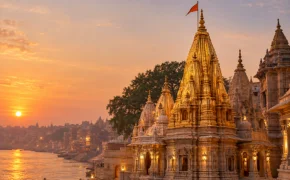
Kashi Vishwanath Temple in Varanasi is one of the most revered shrines dedicated to Lord Shiva. Devotees visit this sacred place to offer prayers and seek spiritual blessings. Kashi is traditionally regarded as the eternal city of Lord Shiva.
Benefits (Traditional Belief)
- Invokes Lord Shiva's blessings
- Promotes peace and spiritual well-being
- Offers an opportunity for devotion and gratitude
- Encourages a deeper connection with Lord Shiva
- Associated with spiritual purification
Who it's for: Devotees seeking Lord Shiva's blessings, spiritual peace and a meaningful religious experience in Kashi.
Puja Vidhi (Process)
Sankalp → Invocation of Lord Shiva → Vedic Mantra Chanting → Traditional Puja Rituals → Aarti → Prasad.
Samagri Required
Flowers, Bel Patra, fruits, milk, water, incense, diya, sandalwood paste and other traditional puja essentials.
Mythological Background
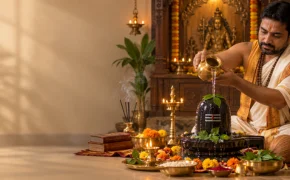
Rudrabhishek is a traditional Vedic ritual dedicated to Lord Shiva. During this ceremony, the Shiva Lingam is ceremonially bathed with sacred offerings while Rudra mantras are chanted. The ritual holds an important place in Shiva worship.
Benefits (Traditional Belief)
- Seeks Lord Shiva's divine grace
- Promotes peace and positive spiritual energy
- Encourages devotion and inner calm
- Associated with spiritual purification
- Offers an opportunity for prayers and gratitude
Who it's for: Devotees wishing to perform a traditional Shiva Abhishek for peace, devotion and spiritual well-being.
Puja Vidhi (Process)
Sankalp → Ganesh Vandana → Shiva Abhishek → Rudra Mantra Chanting → Sacred Offerings → Aarti → Prasad.
Samagri Required
Milk, curd, honey, ghee, water, Bel Patra, flowers, fruits, sandalwood paste, incense and diya.
Mythological Background
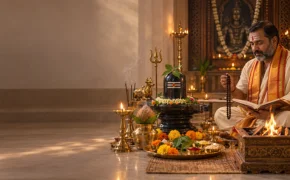
The Mahamrityunjaya Mantra is a sacred Vedic mantra dedicated to Lord Shiva. It is traditionally associated with Sage Markandeya and is recited by devotees seeking divine grace, courage and spiritual strength. This mantra is also known as the Tryambakam Mantra.
Benefits (Traditional Belief)
- Prayers for health and well-being
- Associated with longevity and protection
- Promotes mental peace and courage
- Helps strengthen spiritual discipline
- Encourages faith during challenging times
Who it's for: Devotees praying for the well-being of themselves and their family members.
Puja Vidhi (Process)
Sankalp → Ganesh Puja → Mahamrityunjaya Mantra Jaap → Purnahuti → Havan → Aarti → Prasad.
Jaap Sankhya: 1,25,000 mantra repetitions, subject to the selected package and priest confirmation.
Samagri Required
Havan samagri, ghee, sesame seeds, mango wood, Bel Patra, flowers, fruits, sacred thread, diya and other traditional puja items.
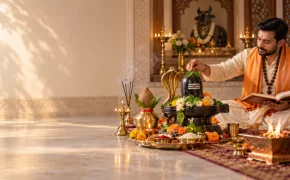
Mythological Background
Kaal Sarp Dosh Puja is a traditional Hindu religious ritual associated with astrological beliefs about Rahu and Ketu. It is performed by devotees as a form of prayer and spiritual observance. Trimbakeshwar is a well-known pilgrimage destination associated with this ritual.
Benefits (Traditional Belief)
- Prayers for relief from astrological concerns
- Seeks blessings for peace and harmony
- Associated with overcoming personal obstacles
- Encourages spiritual confidence and devotion
- Provides an opportunity for traditional rituals
Who it's for: Individuals who have been advised to perform this ritual following an astrological consultation.
Puja Vidhi (Process)
Sankalp → Ganesh Puja → Kalash Sthapana → Rahu-Ketu Mantra Jaap → Traditional Rituals → Havan → Aarti.
Samagri Required
Flowers, fruits, milk, sesame seeds, coconut, sacred thread, incense, diya, kalash and other ritual essentials.
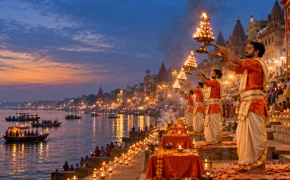
Mythological Background
Ganga Aarti is a beautiful traditional devotional ceremony performed on the banks of the holy River Ganga. The evening Aarti at Dashashwamedh Ghat in Varanasi is especially revered by devotees. It is an expression of gratitude and devotion towards Maa Ganga.
Benefits (Traditional Belief)
- An opportunity to participate in a sacred devotional ceremony
- Expresses gratitude and reverence towards Maa Ganga
- Experience the spiritual atmosphere of Varanasi
- Encourages peace, devotion and reflection
- A memorable religious experience in Kashi
Who it's for: Devotees and visitors wishing to experience the sacred evening Ganga Aarti in Varanasi.
Puja Vidhi (Process)
Arrival at the designated location → Assistance with the seva arrangement → Participation in the Aarti ceremony → Darshan and Prayers.
Samagri Required
Traditional Aarti arrangements, diya, flowers and other ceremonial items as applicable to the selected seva.
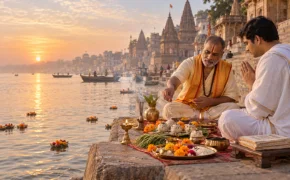
Mythological Background
Pitru Dosha Puja is a traditional Hindu ritual associated with honouring ancestors and offering prayers for their peace. Kashi holds special religious significance for ancestral rites and spiritual observances. These rituals reflect respect, remembrance and gratitude towards one's ancestors.
Benefits (Traditional Belief)
- Prayers for ancestral peace
- Expresses gratitude and respect towards ancestors
- Associated with family harmony and well-being
- Offers an opportunity for remembrance and devotion
- Encourages spiritual connection with family traditions
Who it's for: Families and individuals wishing to perform traditional ancestral prayers and rituals in Kashi.
Puja Vidhi (Process)
Sankalp → Invocation → Pitru Tarpan → Traditional Ancestral Rituals → Mantra Chanting → Prayers.
Samagri Required
Til (sesame seeds), water, kusha grass, flowers, rice, fruits and other items required for the prescribed ritual.
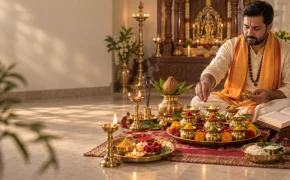
Mythological Background
Navgraha Puja is a traditional Vedic ceremony dedicated to the nine planetary deities: Surya, Chandra, Mangal, Budh, Brihaspati, Shukra, Shani, Rahu and Ketu. Devotees perform this ritual to seek blessings for balance, harmony and well-being.
Benefits (Traditional Belief)
- Seeks blessings of the nine Grahas
- Prayers for harmony and balance in life
- Associated with peace and positive intentions
- Encourages spiritual discipline
- A traditional way to address astrological concerns
Who it's for: Devotees wishing to perform planetary prayers or those advised to undertake Navgraha rituals.
Puja Vidhi (Process)
Sankalp → Ganesh Puja → Navgraha Avahan → Navgraha Mantra Jaap → Offerings → Havan → Aarti.
Samagri Required
Flowers, fruits, grains, sesame seeds, ghee, incense, diya, kalash and traditional offerings as prescribed for the nine planetary deities.
Mythological Background
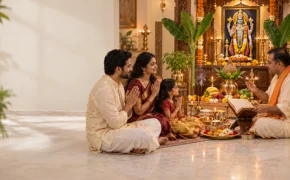
Satyanarayan Puja is a traditional Hindu worship ceremony dedicated to Lord Vishnu in his Satyanarayan form. It is commonly performed by families on auspicious occasions and special days. The Satyanarayan Katha is an important part of this religious observance.
Benefits (Traditional Belief)
- Seeks Lord Vishnu's blessings
- Prayers for prosperity and family well-being
- Associated with peace and happiness
- Encourages gratitude and devotion
- A meaningful ritual for auspicious occasions
Who it's for: Families and devotees wishing to perform Satyanarayan Puja on an auspicious occasion or for family prayers.
Puja Vidhi (Process)
Sankalp → Ganesh Puja → Kalash Sthapana → Satyanarayan Katha → Traditional Offerings → Aarti → Prasad.
Samagri Required
Panchamrit, fruits, flowers, Tulsi leaves, wheat, rice, banana, coconut, incense, diya and other traditional puja essentials.
Shiv Puja
Experience traditional Vedic Shiva worship through sacred Abhishek, Rudra Path, mantra chanting and special rituals dedicated to Lord Shiva.
Mythological Background
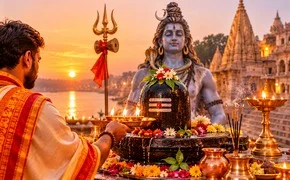
Lord Shiva is worshipped as the supreme deity of transformation, compassion and spiritual liberation. Traditional Shiv Puja involves offering prayers, flowers, water and sacred offerings to Lord Shiva. Panchopachar Puja is a traditional method of worship using five devotional offerings.
Benefits (Traditional Belief)
- Seeks Lord Shiva's divine blessings
- Promotes peace and spiritual well-being
- Encourages devotion and positive intentions
- Associated with inner calm and purification
- Offers an opportunity for prayer and gratitude
Who it's for: Devotees and families wishing to perform traditional Lord Shiva worship for peace, blessings and spiritual well-being.
Puja Vidhi (Process)
Sankalp → Ganesh Vandana → Shiva Avahan → Panchopachar Puja → Abhishek → Shiva Mantra Jaap → Aarti → Prasad.
Samagri Required
Water, milk, Bel Patra, flowers, fruits, sandalwood paste, incense, diya, rice and other traditional Shiva Puja essentials.
Mythological Background
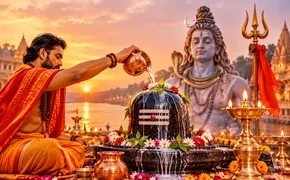
Maha Rudra Puja is an elaborate Vedic ritual dedicated to Lord Shiva. It involves the chanting of sacred Rudra hymns and traditional Homa rituals. The elevenfold Rudra recitation holds special significance in Shiva worship and is performed with devotion and Vedic procedures.
Benefits (Traditional Belief)
- Seeks Lord Shiva's special blessings
- Prayers for family welfare and harmony
- Associated with overcoming obstacles
- Promotes spiritual discipline and devotion
- Encourages peace and positive intentions
Who it's for: Families and devotees wishing to perform an elaborate Shiva ritual for family welfare, peace and spiritual blessings.
Puja Vidhi (Process)
Sankalp → Ganesh Puja → Kalash Sthapana → Rudra Path (11 Recitations) → Shiva Abhishek → Homa → Purnahuti → Aarti → Prasad.
Samagri Required
Havan samagri, ghee, milk, curd, honey, Bel Patra, flowers, fruits, sandalwood paste, sesame seeds, incense, diya and other traditional Vedic ritual essentials.
Mythological Background
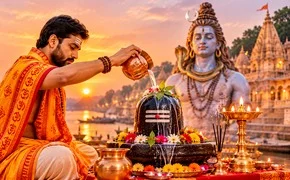
Laghu Rudra Puja is a traditional Vedic worship dedicated to Lord Shiva, involving the chanting of Rudra mantras and sacred offerings. It is a shorter form of the elaborate Rudra ritual and is performed according to prescribed Vedic traditions.
Benefits (Traditional Belief)
- Seeks Lord Shiva's divine grace
- Associated with peace and spiritual purification
- Prayers for family happiness and well-being
- Encourages devotion and positive thinking
- Offers an opportunity for traditional Vedic worship
Who it's for: Devotees wishing to perform a traditional Rudra ritual within a shorter timeframe.
Puja Vidhi (Process)
Sankalp → Ganesh Puja → Shiva Avahan → Rudra Mantra Path → Shiva Abhishek → Traditional Offerings → Aarti → Prasad.
Samagri Required
Milk, water, Bel Patra, flowers, fruits, sandalwood paste, ghee, incense, diya and other traditional Rudra Puja essentials.
Mythological Background
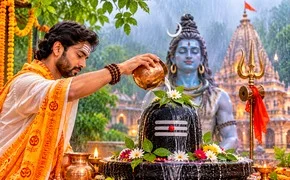
The month of Shravan is considered especially sacred for worshipping Lord Shiva. Devotees observe prayers, fasting and special rituals during this holy month, particularly on Mondays known as Shravan Somwar. Special Shiva Abhishek and mantra chanting are important parts of this devotional tradition.
Benefits (Traditional Belief)
- Seeks Lord Shiva's blessings during Shravan
- Associated with peace and family well-being
- Encourages devotion and spiritual discipline
- Offers an opportunity for Shravan Somwar worship
- Promotes gratitude and positive intentions
Who it's for: Devotees and families wishing to perform special Shiva worship during the sacred month of Shravan, especially on Mondays.
Puja Vidhi (Process)
Sankalp → Ganesh Vandana → Shiva Abhishek → Bel Patra Offering → Shiva Mantra Jaap → Shravan Special Puja → Aarti → Prasad.
Samagri Required
Milk, water, Bel Patra, flowers, fruits, sandalwood paste, honey, curd, incense, diya and traditional Shravan Puja essentials.
Mythological Background
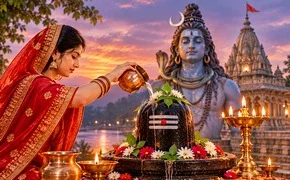
Pradosh Vrat is a traditional Hindu observance dedicated to Lord Shiva, observed on Trayodashi Tithi. The evening period around sunset, known as Pradosh Kaal, is considered especially auspicious for Shiva worship. Devotees observe this vrat with prayers, mantra chanting and traditional rituals.
Benefits (Traditional Belief)
- Seeks Lord Shiva's blessings and grace
- Associated with peace and spiritual well-being
- Encourages devotion and self-discipline
- Prayers for family happiness and harmony
- Provides an opportunity for regular Shiva worship
Who it's for: Devotees wishing to observe Pradosh Vrat and offer special prayers to Lord Shiva on Trayodashi.
Puja Vidhi (Process)
Sankalp → Ganesh Vandana → Shiva Avahan → Traditional Shiva Puja → Mantra Jaap → Bel Patra Offering → Aarti → Prasad.
Samagri Required
Flowers, Bel Patra, fruits, milk, water, sandalwood paste, incense, diya, rice and other traditional Pradosh Vrat Puja essentials.
Devi Puja
Seek the divine blessings of Goddess Durga, Lakshmi and Saraswati through traditional Vedic rituals, sacred prayers, mantra chanting and devotional offerings.
Mythological Background
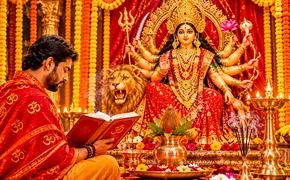
Goddess Durga is revered as the divine form of Shakti, symbolising courage, protection and the victory of good over evil. Durga Saptashati, also known as Devi Mahatmyam, is a sacred text describing the divine manifestations and victories of Goddess Durga. Its recitation is an important part of traditional Devi worship.
Benefits (Traditional Belief)
- Seeks Goddess Durga's divine blessings and protection
- Associated with courage, strength and confidence
- Prayers for family peace and well-being
- Encourages devotion and spiritual discipline
- Offers an opportunity for traditional Devi worship
Who it's for: Devotees and families wishing to perform Durga Saptashati Path and seek the blessings of Goddess Durga.
Puja Vidhi (Process)
Sankalp → Ganesh Vandana → Kalash Sthapana → Goddess Durga Avahan → Durga Saptashati Path → Mantra Jaap → Havan → Purnahuti → Aarti → Prasad.
Samagri Required
Flowers, red cloth, kumkum, turmeric, fruits, coconut, betel leaves, incense, diya, ghee, havan samagri and other traditional Devi Puja essentials.
Mythological Background
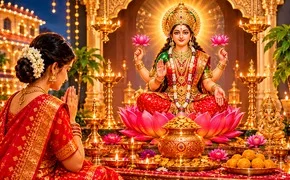
Goddess Lakshmi is worshipped as the deity of prosperity, abundance and well-being. Lakshmi Puja is especially significant during Diwali, when families offer prayers to Goddess Lakshmi and Lord Ganesha. Traditional rituals include lighting diyas, offering flowers and sweets, and chanting sacred mantras.
Benefits (Traditional Belief)
- Seeks Goddess Lakshmi's blessings for prosperity
- Prayers for financial well-being and abundance
- Associated with happiness and family harmony
- Encourages gratitude and positive intentions
- Offers an opportunity for traditional Diwali worship
Who it's for: Families and individuals wishing to perform Lakshmi-Ganesh worship during Diwali or other auspicious occasions.
Puja Vidhi (Process)
Sankalp → Ganesh Vandana → Kalash Sthapana → Goddess Lakshmi Avahan → Lakshmi Mantra Jaap → Traditional Offerings → Diya Lighting → Aarti → Prasad.
Samagri Required
Flowers, lotus (where available), kumkum, turmeric, rice, fruits, sweets, coconut, betel leaves, coins, incense, diya, ghee and other traditional Lakshmi Puja essentials.
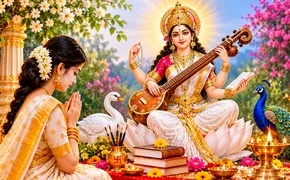
Mythological Background
Goddess Saraswati is revered as the deity of knowledge, wisdom, music, arts and learning. She is traditionally associated with purity, creativity and the pursuit of education. Saraswati Puja is performed by students, teachers, artists and families to seek her blessings for knowledge and intellectual growth.
Benefits (Traditional Belief)
- Seeks blessings for knowledge and wisdom
- Prayers for success in education and learning
- Encourages creativity and artistic expression
- Associated with concentration and clarity
- Promotes devotion and respect for education
Who it's for: Students, teachers, artists and families wishing to seek Goddess Saraswati's blessings for learning and creative pursuits.
Puja Vidhi (Process)
Sankalp → Ganesh Vandana → Kalash Sthapana → Goddess Saraswati Avahan → Saraswati Mantra Jaap → Books and Learning Materials Offering → Aarti → Prasad.
Samagri Required
White or yellow flowers, fruits, sweets, rice, turmeric, kumkum, books, pens, musical instruments (if applicable), incense, diya and other traditional Saraswati Puja essentials.
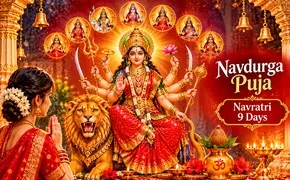
Mythological Background
Navdurga refers to the nine forms of Goddess Durga worshipped during the nine days of Navratri. Each day is dedicated to a different manifestation of the Goddess, representing devotion, strength, courage and divine energy. The nine-day observance includes prayers, mantra chanting and traditional rituals.
Benefits (Traditional Belief)
- Seeks blessings of the nine forms of Goddess Durga
- Associated with strength, courage and protection
- Prayers for family peace and well-being
- Encourages spiritual discipline and devotion
- Provides an opportunity for nine days of worship
Who it's for: Families and devotees wishing to observe the complete nine-day Navratri worship with traditional rituals.
Puja Vidhi (Process)
Kalash Sthapana → Daily Sankalp → Navdurga Avahan → Daily Mantra Jaap and Offerings → Durga Saptashati Path (as selected) → Havan → Kanya Puja (as arranged) → Purnahuti → Aarti → Prasad.
Samagri Required
Kalash, coconut, mango leaves, flowers, red cloth, kumkum, turmeric, fruits, sweets, grains, diya, ghee, incense, havan samagri and other traditional Navratri Puja essentials.
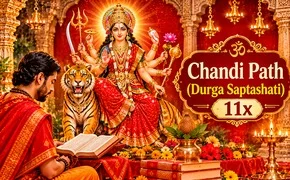
Mythological Background
Chandi Path is the devotional recitation of Durga Saptashati, a sacred text describing the divine power and victories of Goddess Chandi or Durga. The text consists of seven hundred verses and is traditionally recited during Navratri and other auspicious occasions. Eleven recitations are performed as an extended form of this traditional worship.
Benefits (Traditional Belief)
- Seeks the blessings and protection of Goddess Chandi
- Associated with courage and spiritual strength
- Prayers for peace and well-being
- Encourages devotion and spiritual discipline
- Offers an opportunity for an elaborate traditional recitation
Who it's for: Devotees and families wishing to arrange an elaborate Durga Saptashati recitation with traditional rituals.
Puja Vidhi (Process)
Sankalp → Ganesh Vandana → Kalash Sthapana → Goddess Chandi Avahan → Durga Saptashati Path (11 Recitations) → Mantra Jaap → Havan → Purnahuti → Aarti → Prasad.
Samagri Required
Durga Saptashati text, flowers, red cloth, kumkum, turmeric, fruits, coconut, betel leaves, ghee, havan samagri, incense, diya and other traditional Chandi Path essentials.
Vishnu, Ganesh & Navgraha Puja
Traditional Vedic rituals dedicated to Lord Vishnu, Lord Ganesha and the nine planetary deities for blessings, prosperity and harmony.
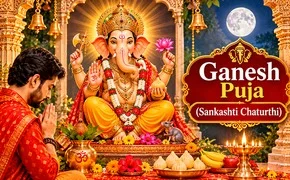
Mythological Background
Lord Ganesha is worshipped as the remover of obstacles and the deity of wisdom, prosperity and new beginnings. Sankashti Chaturthi is a sacred monthly observance dedicated to Lord Ganesha. Devotees offer prayers, modak and Durva grass while chanting traditional Ganesh mantras.
Benefits (Traditional Belief)
- Seeks Lord Ganesha's blessings for removing obstacles
- Prayers for success in new beginnings
- Associated with wisdom and clarity
- Promotes peace and family well-being
- Encourages devotion and positive intentions
Who it's for: Devotees, families and individuals wishing to seek Lord Ganesha's blessings, especially on Sankashti Chaturthi.
Puja Vidhi (Process)
Sankalp → Ganesh Avahan → Ganesh Mantra Jaap → Durva Offering → Modak Bhog → Traditional Puja → Aarti → Prasad.
Samagri Required
Durva grass, red flowers, modak, coconut, fruits, betel leaves, betel nuts, kumkum, turmeric, incense and diya.
Mythological Background
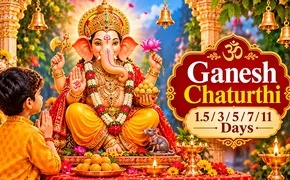
Ganesh Chaturthi celebrates the birth of Lord Ganesha, the beloved deity of wisdom and auspicious beginnings. Devotees welcome Ganpati into their homes and temples through Murti Sthapana, daily worship, devotional offerings and Aarti. The festival concludes with Ganesh Visarjan according to the chosen observance period.
Benefits (Traditional Belief)
- Seeks Lord Ganesha's blessings for prosperity
- Associated with removing obstacles
- Encourages family unity and devotion
- Prayers for happiness and well-being
- Offers an opportunity for traditional Ganpati worship
Who it's for: Families, communities and devotees wishing to celebrate Ganesh Chaturthi through traditional rituals for 1.5, 3, 5, 7 or 11 days.
Puja Vidhi (Process)
Sankalp → Ganesh Murti Sthapana → Pran Pratishtha → Daily Ganesh Puja → Modak Bhog → Aarti → Havan (as applicable) → Ganesh Visarjan.
Samagri Required
Ganesh idol, Durva grass, red flowers, modak, coconut, fruits, betel leaves, betel nuts, kumkum, turmeric, incense, diya and traditional puja essentials.
Mythological Background
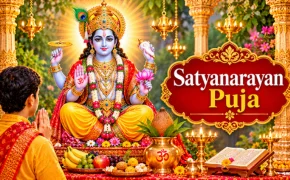
Satyanarayan Puja is a traditional Hindu worship ceremony dedicated to Lord Vishnu in his Satyanarayan form. The Satyanarayan Katha narrates the significance of devotion, truthfulness and faith. Families commonly perform this puja on auspicious occasions, Purnima and during important milestones.
Benefits (Traditional Belief)
- Seeks Lord Vishnu's divine blessings
- Prayers for prosperity and family harmony
- Associated with happiness and well-being
- Encourages truthfulness and gratitude
- Offers an opportunity for family worship
Who it's for: Families and devotees wishing to perform Satyanarayan Puja on Purnima, housewarming, weddings or other auspicious occasions.
Puja Vidhi (Process)
Sankalp → Ganesh Puja → Kalash Sthapana → Lord Vishnu Avahan → Satyanarayan Katha → Traditional Offerings → Aarti → Prasad.
Samagri Required
Panchamrit, Tulsi leaves, fruits, flowers, banana, coconut, wheat, rice, sweets, incense, diya and other traditional puja essentials.
Mythological Background
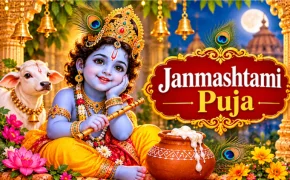
Janmashtami celebrates the divine birth of Lord Krishna, the eighth incarnation of Lord Vishnu. Devotees observe fasting, devotional singing and special midnight worship to mark the birth of Shri Krishna. Traditional rituals include Krishna Abhishek, offerings of Makhan Mishri and prayers at midnight.
Benefits (Traditional Belief)
- Seeks Lord Krishna's blessings and grace
- Prayers for family happiness and harmony
- Encourages devotion and spiritual awareness
- Associated with love, compassion and wisdom
- Offers an opportunity to celebrate Krishna's birth
Who it's for: Devotees and families wishing to celebrate Janmashtami with traditional midnight worship and Krishna Abhishek.
Puja Vidhi (Process)
Sankalp → Krishna Avahan → Bal Gopal Abhishek → Panchamrit Snan → New Clothes and Shringar → Makhan Mishri Bhog → Midnight Aarti → Prasad.
Samagri Required
Bal Gopal idol, Panchamrit, milk, curd, honey, ghee, Tulsi leaves, butter, mishri, fruits, flowers, peacock feather, incense and diya.
Mythological Background
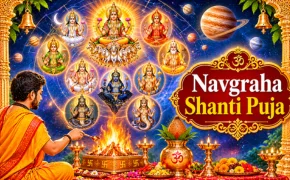
Navgraha Shanti Puja is a traditional Vedic ritual dedicated to the nine planetary deities: Surya, Chandra, Mangal, Budh, Brihaspati, Shukra, Shani, Rahu and Ketu. The ceremony involves planetary invocations, sacred mantra chanting and Homa as part of traditional Graha Shanti worship.
Benefits (Traditional Belief)
- Seeks blessings of all nine planetary deities
- Associated with planetary harmony and balance
- Prayers for peace and well-being
- Encourages spiritual discipline and devotion
- Offers an opportunity for traditional Graha Shanti rituals
Who it's for: Individuals and families wishing to perform Navgraha worship or those advised to undertake planetary peace rituals after astrological consultation.
Puja Vidhi (Process)
Sankalp → Ganesh Puja → Kalash Sthapana → Navgraha Avahan → Navgraha Mantra Jaap → Navgraha Homa → Purnahuti → Aarti → Prasad.
Samagri Required
Nine types of grains, flowers, fruits, sesame seeds, ghee, havan samagri, incense, diya, kalash and traditional offerings for the nine planetary deities.
Mythological Background
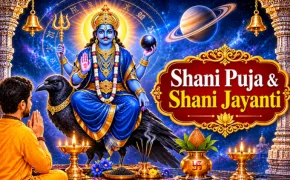
Lord Shani is one of the Navgrahas and is associated with discipline, karma, justice and responsibility. Shani Puja is traditionally performed on Saturdays and on Shani Jayanti. Devotees offer prayers, sesame oil and traditional offerings while chanting Shani mantras.
Benefits (Traditional Belief)
- Seeks Lord Shani's blessings and grace
- Prayers for patience and perseverance
- Associated with overcoming difficulties
- Encourages discipline and responsible actions
- Offers an opportunity for planetary worship
Who it's for: Devotees wishing to perform Shani worship, particularly on Saturdays or Shani Jayanti, or following astrological guidance.
Puja Vidhi (Process)
Sankalp → Ganesh Vandana → Shani Avahan → Shani Mantra Jaap → Sesame Oil Abhishek → Traditional Offerings → Aarti → Prasad.
Samagri Required
Black sesame seeds, sesame oil, mustard oil, black cloth, flowers, fruits, iron items (as prescribed), incense, diya and other traditional Shani Puja essentials.
Mythological Background
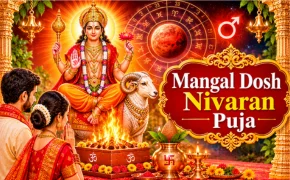
Mangal Dosh Nivaran Puja is a traditional Hindu ritual associated with the astrological influence of Mars (Mangal) in a birth chart. Devotees perform this ritual to seek blessings and offer prayers for harmony, especially in matters related to marriage and family life. Kashi is among the sacred places where devotees undertake such traditional rituals.
Benefits (Traditional Belief)
- Seeks blessings of Lord Mangal
- Associated with marital harmony
- Prayers for family peace and well-being
- Encourages confidence and spiritual balance
- Offers an opportunity for traditional Graha Shanti worship
Who it's for: Individuals advised to perform Mangal Dosh Nivaran Puja after a suitable horoscope consultation, especially regarding marriage-related concerns.
Puja Vidhi (Process)
Sankalp → Ganesh Puja → Mangal Avahan → Mangal Mantra Jaap → Traditional Offerings → Havan → Purnahuti → Aarti → Prasad.
Samagri Required
Red flowers, red cloth, kumkum, jaggery, red lentils (masoor dal), fruits, coconut, ghee, havan samagri, incense and diya.
Dosha Nivaran & Graha Shanti
Perform traditional Vedic rituals for Graha Shanti, planetary balance and dosha nivaran through sacred mantra chanting, prayers and offerings.

Mythological Background
Kaal Sarp Dosh is a concept in traditional Vedic astrology associated with the positioning of Rahu and Ketu in a birth chart. Kaal Sarp Dosh Puja is performed by devotees as a traditional religious observance involving prayers, mantra chanting and offerings to seek divine blessings and spiritual peace.
Benefits (Traditional Belief)
- Seeks blessings for peace and spiritual well-being
- Traditionally performed for Kaal Sarp Dosh nivaran
- Encourages positive intentions and devotion
- Prayers for harmony and stability in life
- Offers an opportunity for traditional Vedic worship
Who it's for: Individuals advised to perform Kaal Sarp Dosh Puja based on their horoscope by a qualified astrologer.
Puja Vidhi (Process)
Sankalp → Ganesh Vandana → Kalash Sthapana → Navgraha Avahan → Rahu-Ketu Mantra Jaap → Kaal Sarp Dosh Nivaran Rituals → Homa → Aarti → Prasad.
Samagri Required
Flowers, fruits, milk, black sesame seeds, coconut, rice, incense, diya, ghee, sacred thread and other traditional Kaal Sarp Dosh Puja essentials.
Mythological Background
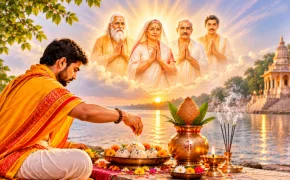
In Hindu traditions, Pitru or Pitra Dosh is associated with ancestral obligations and is interpreted in Vedic astrology through specific planetary combinations. Pitra Dosh Nivaran rituals involve prayers, offerings and remembrance of ancestors to express gratitude and seek their blessings.
Benefits (Traditional Belief)
- Offers prayers and respect to departed ancestors
- Seeks ancestral blessings for family well-being
- Associated with peace and harmony within the family
- Encourages gratitude and remembrance of forefathers
- Provides an opportunity for traditional ancestral rituals
Who it's for: Families wishing to perform traditional ancestral rituals and those advised to perform Pitra Dosh Nivaran according to their horoscope.
Puja Vidhi (Process)
Sankalp → Ganesh Vandana → Pitru Avahan → Tarpan → Pind Offering → Pitru Mantra Jaap → Brahmin Bhoj (as arranged) → Prayers → Aarti.
Samagri Required
Black sesame seeds, barley, rice, kusha grass, water, flowers, fruits, milk, ghee, white cloth and other traditional Pitra Dosh Puja essentials.
Mythological Background
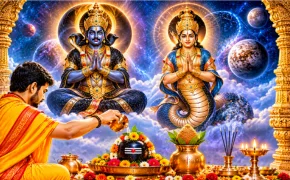
Rahu and Ketu are considered shadow planets in Vedic astrology and hold significance in traditional horoscope interpretation. Rahu-Ketu Shanti Puja is performed through prayers, sacred offerings and mantra chanting to seek planetary peace and divine blessings.
Benefits (Traditional Belief)
- Seeks blessings for planetary peace and harmony
- Traditionally performed for Rahu-Ketu Shanti
- Encourages spiritual discipline and devotion
- Prayers for clarity and positive intentions
- Associated with peace and well-being
Who it's for: Individuals seeking traditional Rahu-Ketu Shanti rituals, particularly when recommended through horoscope consultation.
Puja Vidhi (Process)
Sankalp → Ganesh Puja → Kalash Sthapana → Navgraha Avahan → Rahu Mantra Jaap → Ketu Mantra Jaap → Traditional Offerings → Homa → Aarti → Prasad.
Samagri Required
Black sesame seeds, coconut, flowers, fruits, rice, durva, incense, diya, ghee, sacred thread and other traditional Rahu-Ketu Shanti Puja essentials.
Mythological Background
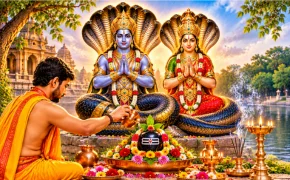
Sarpa Dosha is a concept found in traditional Hindu astrology and religious beliefs. Sarpa Dosha Nivaran Puja is performed as a devotional ritual involving prayers to serpent deities, sacred offerings and mantra chanting. These rituals are observed according to established religious traditions.
Benefits (Traditional Belief)
- Seeks blessings of serpent deities
- Traditionally performed for Sarpa Dosha nivaran
- Associated with spiritual peace and well-being
- Encourages devotion and positive intentions
- Offers an opportunity for traditional religious observance
Who it's for: Devotees advised to perform Sarpa Dosha Nivaran Puja based on traditional astrological consultation.
Puja Vidhi (Process)
Sankalp → Ganesh Vandana → Naga Devata Avahan → Sarpa Mantra Jaap → Sacred Offerings → Traditional Nivaran Rituals → Aarti → Prasad.
Samagri Required
Flowers, milk, turmeric, kumkum, coconut, fruits, rice, sesame seeds, incense, diya and other traditional Sarpa Dosha Puja essentials.
Sanskaars, Home & Life Events
Celebrate life's important milestones through traditional Vedic ceremonies, sacred rituals and blessings for your home and family.
Mythological Background
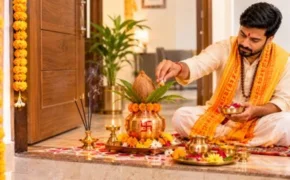
Griha Pravesh is a traditional Hindu housewarming ceremony performed when entering a new home for the first time. The ritual includes prayers to Lord Ganesha, Vastu Purusha and other deities to seek blessings for peace, prosperity and harmony in the household.
Benefits (Traditional Belief)
- Seeks divine blessings for a new home
- Prayers for peace and harmony among family members
- Associated with prosperity and positive beginnings
- Traditionally performed for Vastu-related blessings
- Marks an auspicious beginning in a new residence
Who it's for: Families moving into a newly constructed or purchased home and wishing to perform a traditional housewarming ceremony.
Puja Vidhi (Process)
Sankalp → Ganesh Puja → Kalash Sthapana → Vastu Purusha Puja → Navgraha Puja → Havan → Griha Pravesh Ritual → Aarti → Prasad.
Samagri Required
Kalash, coconut, mango leaves, flowers, rice, turmeric, kumkum, ghee, havan samagri, fruits, sweets, incense and other traditional Griha Pravesh Puja essentials.
Mythological Background
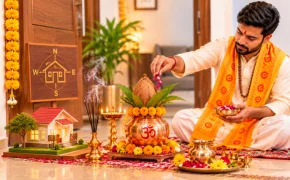
Vastu Shanti is a traditional Hindu ritual dedicated to Vastu Purusha, the divine guardian associated with the energy and layout of a dwelling or building. The ceremony includes prayers to Vastu Purusha, Navgrahas and other deities to seek blessings for harmony and well-being in the premises.
Benefits (Traditional Belief)
- Seeks blessings for peace and harmony in a space
- Traditionally performed for Vastu-related concerns
- Prayers for prosperity and household well-being
- Encourages positive intentions and spiritual devotion
- Offers an opportunity for traditional Vedic worship
Who it's for: Homeowners, families and property owners wishing to perform Vastu Shanti rituals for their home, office or other premises.
Puja Vidhi (Process)
Sankalp → Ganesh Puja → Kalash Sthapana → Vastu Purusha Avahan → Navgraha Puja → Vastu Mantra Jaap → Havan → Purnahuti → Aarti → Prasad.
Samagri Required
Kalash, coconut, mango leaves, flowers, rice, turmeric, kumkum, sandalwood paste, ghee, havan samagri, fruits, sweets, incense and other traditional Vastu Shanti Puja essentials.
Mythological Background
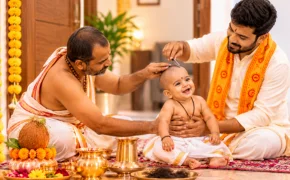
Mundan, also known as Chudakarana Sanskaar, is one of the traditional Hindu sixteen Sanskaars. It marks a child's first hair-cutting ceremony and is performed with prayers and blessings for the child's well-being and auspicious development.
Benefits (Traditional Belief)
- Marks an important milestone in a child's life
- Seeks divine blessings for the child's well-being
- Associated with purification and auspicious beginnings
- Encourages family participation in traditional Sanskaars
- Offers an opportunity for prayers and gratitude
Who it's for: Parents and families wishing to perform the traditional first hair-cutting ceremony of their child.
Puja Vidhi (Process)
Sankalp → Ganesh Puja → Kalash Sthapana → Family Prayers → Mundan Ceremony → Sacred Mantra Chanting → Aarti → Prasad.
Samagri Required
Flowers, fruits, coconut, rice, turmeric, kumkum, sandalwood paste, sacred thread, diya, incense and other traditional Mundan Sanskaar essentials.
Mythological Background
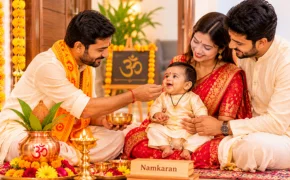
Namkaran Sanskaar is a traditional Hindu naming ceremony and one of the sixteen Sanskaars. It marks the formal naming of a newborn child through prayers, blessings and family rituals. The ceremony is performed to seek divine grace for the child's future and well-being.
Benefits (Traditional Belief)
- Marks an auspicious beginning in a child's life
- Seeks divine blessings for the newborn
- Celebrates the child's identity and family traditions
- Encourages family bonding and togetherness
- Offers prayers for the child's happiness and well-being
Who it's for: Parents and families wishing to conduct a traditional naming ceremony for their newborn child.
Puja Vidhi (Process)
Sankalp → Ganesh Vandana → Kalash Sthapana → Navgraha Prayers → Naming Ritual → Mantra Chanting → Family Blessings → Aarti → Prasad.
Samagri Required
Kalash, flowers, fruits, rice, turmeric, kumkum, coconut, sweets, incense, diya and other traditional Namkaran Sanskaar essentials.

Mythological Background
Vivah Sanskaar is one of the most significant Hindu Sanskaars, marking the sacred union of two individuals and their families. Traditional Hindu marriage ceremonies follow Vedic customs and include sacred vows, mantras and rituals performed in the presence of Agni as a witness.
Benefits (Traditional Belief)
- Seeks divine blessings for married life
- Celebrates the sacred bond between two individuals
- Encourages commitment and family values
- Prayers for harmony, happiness and prosperity
- Preserves traditional Vedic wedding customs
Who it's for: Couples and families planning a traditional Hindu wedding ceremony according to Vedic customs.
Puja Vidhi (Process)
Ganesh Puja → Var Puja → Kanya Agaman → Kanyadaan → Panigrahan → Gathbandhan → Mangal Pheras → Saptapadi → Sindoor Daan → Aashirwad.
Samagri Required
Havan kund, ghee, havan samagri, flowers, garlands, rice, turmeric, kumkum, coconut, fruits, sweets, sacred thread and other traditional Vivah ceremony essentials.
Mythological Background
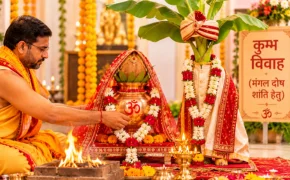
Kumbh Vivah is a traditional symbolic marriage ritual associated with certain astrological beliefs, particularly Mangal Dosh. The ceremony involves a symbolic union with a sacred pot or Kumbh and is performed according to specific religious customs following astrological guidance.
Benefits (Traditional Belief)
- Traditionally performed as part of Mangal Dosh-related rituals
- Seeks divine blessings before marriage
- Associated with peace and auspicious beginnings
- Encourages faith and spiritual devotion
- Follows traditional astrological and religious customs
Who it's for: Individuals advised to perform Kumbh Vivah after consultation with a qualified astrologer regarding their horoscope.
Puja Vidhi (Process)
Sankalp → Ganesh Puja → Kalash Sthapana → Sacred Kumbh Preparation → Symbolic Vivah Ritual → Mantra Jaap → Aarti → Prasad.
Samagri Required
Sacred pot, coconut, flowers, fruits, turmeric, kumkum, rice, red cloth, sacred thread, incense, diya and other traditional Kumbh Vivah essentials.
Mythological Background
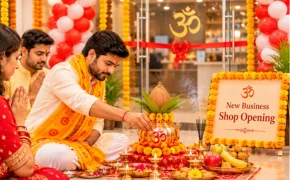
Traditional Hindu business opening ceremonies involve prayers to Lord Ganesha, Goddess Lakshmi and other deities to seek blessings before beginning a new commercial venture. The rituals mark an auspicious beginning and express gratitude while praying for prosperity, stability and success.
Benefits (Traditional Belief)
- Seeks divine blessings for a new business venture
- Prayers for prosperity and growth
- Associated with positive beginnings and good fortune
- Encourages confidence and positive intentions
- Marks an auspicious start for a new workplace
Who it's for: Entrepreneurs, shop owners, business professionals and families starting a new business, office or commercial establishment.
Puja Vidhi (Process)
Sankalp → Ganesh Puja → Kalash Sthapana → Lakshmi Puja → Navgraha Prayers → Workplace Puja → Havan → Aarti → Prasad.
Samagri Required
Kalash, coconut, flowers, mango leaves, rice, turmeric, kumkum, sweets, fruits, coins, incense, diya, ghee and other traditional business opening Puja essentials.
Pitru & Ancestral Rituals
Honour departed ancestors through traditional Vedic rituals, sacred offerings, pind daan, tarpan and prayers for ancestral peace.
Mythological Background
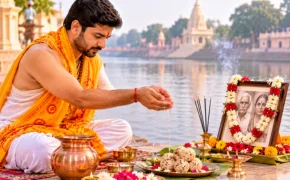
In Hindu traditions, Shraddha is a sacred observance performed in remembrance of departed ancestors. Tarpan involves offering water and prayers to express gratitude and respect towards Pitru. These ancestral rituals hold special significance during Pitru Paksha and are traditionally performed at sacred places such as Kashi.
Benefits (Traditional Belief)
- Offers prayers and respect to departed ancestors
- Seeks blessings for ancestral peace
- Traditionally associated with Pitru satisfaction
- Encourages gratitude and remembrance of forefathers
- Provides an opportunity to follow traditional ancestral practices
Who it's for: Individuals and families wishing to perform Shraddha and Tarpan rituals in remembrance of their departed ancestors.
Puja Vidhi (Process)
Sankalp → Ganesh Vandana → Pitru Avahan → Tarpan → Pind Daan → Pitru Mantra Jaap → Brahmin Bhoj (as arranged) → Prayers → Aarti.
Samagri Required
Black sesame seeds, barley, rice, kusha grass, water, flowers, fruits, milk, ghee, darbha and other traditional Shraddha Puja essentials.
Mythological Background
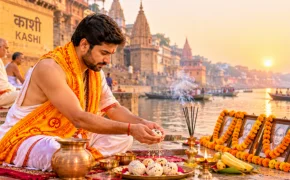
Pind Daan is an important ancestral ritual in Hindu traditions, in which symbolic offerings are made in remembrance of departed family members. Kashi, also known as Varanasi, is regarded as one of the most sacred places for performing Pitru-related religious observances. Devotees visit the holy ghats to offer prayers and perform traditional rites for their ancestors.
Benefits (Traditional Belief)
- Offers traditional prayers and pind offerings to ancestors
- Seeks blessings for ancestral peace and well-being
- Associated with the religious significance of Kashi
- Provides an opportunity to fulfil ancestral observances
- Encourages remembrance and gratitude towards departed family members
Who it's for: Families wishing to perform Pind Daan for departed ancestors at the sacred ghats of Kashi.
Puja Vidhi (Process)
Sankalp → Ganesh Vandana → Pitru Avahan → Pind Nirmaan → Pind Daan → Tarpan → Pitru Mantra Jaap → Havan → Prayers → Aarti.
Samagri Required
Rice, barley flour, black sesame seeds, kusha grass, flowers, fruits, milk, honey, ghee, water, sacred thread and other traditional Pind Daan essentials.
Mythological Background
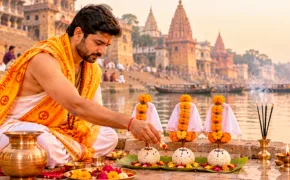
Tripindi Shraddha is a traditional Hindu ancestral ritual performed with three symbolic pind offerings. It is associated with prayers and remembrance of ancestors across three generations. The ritual is observed according to traditional religious practices, and Kashi is considered a sacred destination for performing such ancestral ceremonies.
Benefits (Traditional Belief)
- Offers prayers for ancestors across three generations
- Traditionally performed for ancestral peace
- Seeks blessings for family harmony and well-being
- Encourages remembrance and respect for forefathers
- Provides an opportunity to observe traditional Pitru rituals
Who it's for: Individuals and families wishing to perform Tripindi Shraddha as part of their traditional ancestral observances.
Puja Vidhi (Process)
Sankalp → Ganesh Vandana → Pitru Avahan → Three Pind Nirmaan → Tripindi Shraddha Rituals → Tarpan → Pitru Mantra Jaap → Havan → Prayers → Aarti.
Samagri Required
Rice, barley, black sesame seeds, kusha grass, flowers, fruits, milk, ghee, honey, water, sacred thread and other traditional Tripindi Shraddha essentials.
Festival Special Pujas
Celebrate important Hindu festivals with traditional Vedic rituals, sacred prayers, mantra chanting and special offerings for divine blessings.
Mythological Background
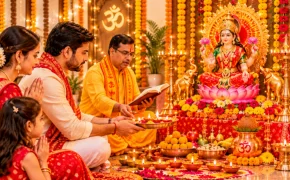
Diwali is traditionally associated with the worship of Goddess Lakshmi, the deity of prosperity, and Lord Ganesha. Devotees perform Lakshmi-Ganesh Puja on this festival to express gratitude and seek divine blessings for prosperity, wisdom and well-being.
Benefits (Traditional Belief)
- Seeks blessings of Goddess Lakshmi and Lord Ganesha
- Traditionally associated with prosperity and abundance
- Prayers for peace and happiness in the family
- Encourages positive intentions and devotion
- Celebrates the spiritual significance of Diwali
Who it's for: Families, individuals and business owners wishing to perform traditional Diwali Lakshmi-Ganesh Puja.
Puja Vidhi (Process)
Sankalp → Ganesh Vandana → Kalash Sthapana → Lakshmi Avahan → Lakshmi-Ganesh Puja → Mantra Jaap → Offerings → Aarti → Prasad.
Samagri Required
Flowers, garlands, fruits, sweets, coconut, rice, kumkum, turmeric, incense, diya, ghee, coins and other traditional Diwali Puja essentials.
Mythological Background
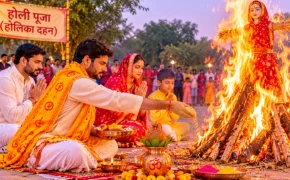
Holika Dahan is associated with the story of Prahlad and Holika, symbolising the victory of devotion and righteousness over evil. Devotees gather around the sacred fire and offer prayers as part of this traditional festival observance.
Benefits (Traditional Belief)
- Symbolises the victory of good over evil
- Encourages devotion and faith
- Seeks blessings for family peace and well-being
- Traditionally associated with positivity and renewal
- Brings families and communities together in celebration
Who it's for: Families and devotees wishing to observe Holika Dahan through traditional prayers and rituals.
Puja Vidhi (Process)
Sankalp → Ganesh Vandana → Holika Avahan → Sacred Fire Worship → Mantra Chanting → Traditional Offerings → Parikrama → Aarti.
Samagri Required
Flowers, coconut, raw cotton thread, turmeric, kumkum, grains, fruits, incense, diya, wood and other traditional Holika Dahan essentials.
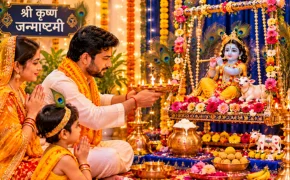
Mythological Background
Janmashtami celebrates the birth of Lord Krishna, who is worshipped as an incarnation of Lord Vishnu. According to Hindu tradition, Lord Krishna was born at midnight in Mathura. Devotees observe fasting, prayers, bhajans and special worship to celebrate this sacred occasion.
Benefits (Traditional Belief)
- Seeks blessings of Lord Krishna
- Encourages devotion, faith and spiritual discipline
- Prayers for happiness and family well-being
- Promotes love, compassion and righteousness
- Celebrates the divine birth of Lord Krishna
Who it's for: Devotees and families wishing to celebrate Janmashtami with traditional Krishna worship.
Puja Vidhi (Process)
Sankalp → Ganesh Vandana → Krishna Avahan → Abhishek → Vastra and Shringar → Krishna Mantra Jaap → Bhajan and Kirtan → Midnight Aarti → Prasad.
Samagri Required
Krishna idol, flowers, tulsi leaves, milk, curd, honey, ghee, sugar, butter, fruits, sweets, incense, diya and other traditional Janmashtami Puja essentials.
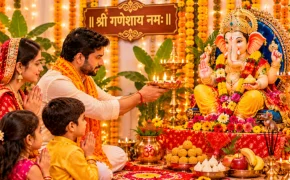
Mythological Background
Ganesh Chaturthi celebrates the birth of Lord Ganesha, who is revered as the remover of obstacles and the deity of wisdom and auspicious beginnings. Devotees welcome Lord Ganesha through traditional worship, offerings, prayers and devotional celebrations.
Benefits (Traditional Belief)
- Seeks blessings of Lord Ganesha
- Traditionally associated with wisdom and prosperity
- Prayers for removing obstacles
- Encourages auspicious beginnings and positive intentions
- Promotes devotion and spiritual well-being
Who it's for: Families, devotees and individuals wishing to celebrate Ganesh Chaturthi with traditional Ganesha worship.
Puja Vidhi (Process)
Sankalp → Ganesh Avahan → Pran Pratishtha (as applicable) → Shodashopachara Puja → Durva and Modak Offering → Ganesh Mantra Jaap → Aarti → Prasad.
Samagri Required
Ganesh idol, durva grass, red flowers, modak, coconut, fruits, betel leaves, supari, turmeric, kumkum, rice, incense, diya and other traditional Ganesh Puja essentials.
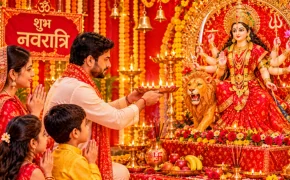
Mythological Background
Navratri is a sacred festival dedicated to the nine forms of Goddess Durga. The festival celebrates divine feminine energy and the victory of good over evil. Devotees observe fasting, worship, mantra chanting and special prayers throughout the nine days.
Benefits (Traditional Belief)
- Seeks blessings of Goddess Durga
- Traditionally associated with strength and courage
- Prayers for family peace and well-being
- Encourages devotion and spiritual discipline
- Celebrates the nine divine forms of Goddess Durga
Who it's for: Devotees and families wishing to perform special Durga worship during Navratri.
Puja Vidhi (Process)
Sankalp → Ganesh Vandana → Kalash Sthapana → Durga Avahan → Durga Mantra Jaap → Pushpanjali → Bhog Offering → Durga Aarti → Prasad.
Samagri Required
Goddess Durga idol or image, red flowers, chunari, coconut, fruits, sweets, kumkum, turmeric, rice, incense, diya, ghee and other traditional Navratri Puja essentials.
Astrology Consultation (Jyotish)
Understand your birth chart through traditional Vedic astrology, planetary analysis and personalised guidance for important life decisions.
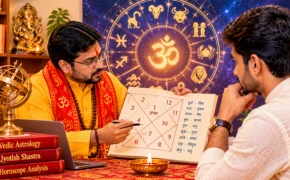
About the Consultation
Janam Kundali Analysis is a traditional Vedic astrology consultation based on an individual's date, time and place of birth. The birth chart is studied to understand planetary placements, zodiac signs, houses and their traditional astrological interpretations.
What You'll Understand
- Overview of your birth chart and planetary positions
- Traditional interpretation of the twelve houses
- Insights into career, relationships and family matters
- Important planetary combinations in your horoscope
- General astrological guidance for life decisions
Who it's for: Individuals who want to understand their birth chart and seek traditional Vedic astrology guidance.
Consultation Process
Share Birth Details → Prepare Janam Kundali → Analyse Planetary Positions → Review Houses and Yogas → Discuss Your Questions → Personalised Astrological Guidance.
Details Required
Date of Birth, Exact Time of Birth, Place of Birth, Full Name and specific questions you would like to discuss during the consultation.
About the Consultation
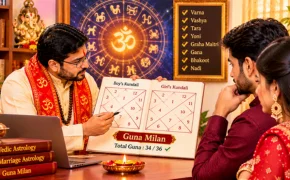
Kundali Matching, also known as Guna Milan, is a traditional Vedic astrology practice used to assess horoscope compatibility between prospective marriage partners. It commonly involves Ashtakoota matching and examination of relevant planetary positions in both birth charts.
What You'll Understand
- Ashtakoota Guna Milan and compatibility score
- Traditional interpretation of Nadi and Bhakoot
- Mangal Dosha assessment
- Important planetary combinations in both horoscopes
- Traditional astrological compatibility guidance
Who it's for: Couples and families seeking traditional horoscope matching before marriage.
Consultation Process
Share Both Birth Details → Prepare Birth Charts → Perform Ashtakoota Guna Milan → Examine Planetary Combinations → Discuss Compatibility → Receive Astrological Guidance.
Details Required
Full Name, Date of Birth, Exact Time of Birth and Place of Birth of both individuals.
About the Consultation
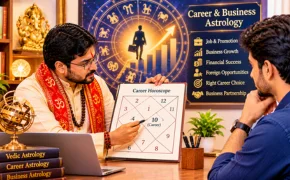
Career and Business Astrology is a traditional Vedic astrology consultation focused on interpreting professional matters through the birth chart. Planetary positions, relevant houses and their traditional astrological significance are considered during the consultation.
What You'll Understand
- Traditional astrological interpretation of career-related houses
- Planetary combinations associated with professional life
- Astrological perspectives on business and employment
- Traditional interpretation of career opportunities
- Guidance regarding important professional decisions
Who it's for: Students, working professionals, entrepreneurs and business owners seeking traditional astrological guidance.
Consultation Process
Share Birth Details → Prepare Birth Chart → Analyse Career-Related Houses → Examine Planetary Positions → Discuss Professional Questions → Receive Astrological Guidance.
Details Required
Full Name, Date of Birth, Exact Time of Birth, Place of Birth and your career or business-related questions.
About the Consultation
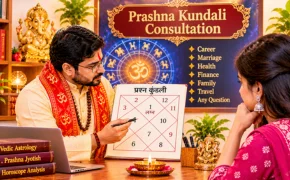
Prashna Kundali is a traditional branch of Vedic astrology in which an astrologer interprets a horoscope prepared for the time a specific question is asked. It is traditionally used to explore a particular concern without relying solely on a birth chart.
What You'll Understand
- Traditional astrological interpretation of your specific question
- Planetary positions at the time of consultation
- Relevant houses and astrological combinations
- Traditional perspectives related to your concern
- Astrological guidance for considering your next steps
Who it's for: Individuals seeking traditional astrological guidance about a specific question or situation.
Consultation Process
Share Your Question → Record Question Time → Prepare Prashna Kundali → Analyse Planetary Positions → Interpret Relevant Houses → Discuss Astrological Guidance.
Details Required
Full Name, your specific question and the time and place of consultation. Additional birth details may be requested if relevant.
Numerology Consultation
Explore the significance of numbers through traditional numerology and receive personalised guidance based on your name and date of birth.
About the Consultation
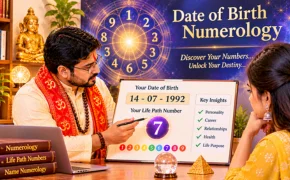
Date of Birth Numerology is a traditional numerology consultation based on the numbers derived from your date of birth. It explores concepts such as Birth Number and Life Path Number to provide a traditional interpretation of personality characteristics and life patterns.
What You'll Understand
- Your Birth Number and its traditional significance
- Your Life Path Number and its interpretation
- Traditional numerology-based personality insights
- Number compatibility and recurring number patterns
- General guidance based on your birth numbers
Who it's for: Individuals interested in understanding their birth numbers and exploring traditional numerology.
Consultation Process
Share Date of Birth → Calculate Birth Number → Calculate Life Path Number → Interpret Number Combinations → Discuss Your Questions → Personalised Numerology Guidance.
Details Required
Full Name, Date of Birth and specific questions you would like to discuss during the consultation.
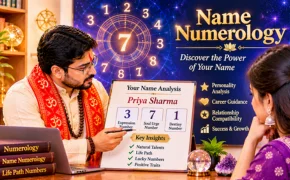
About the Consultation
Name Numerology is a traditional practice that assigns numerical values to the letters of a name. These values are interpreted according to numerology systems to explore their symbolic significance and relationship with an individual's birth numbers.
What You'll Understand
- Numerological value of your full name
- Traditional interpretation of your Name Number
- Relationship between Name Number and Birth Number
- Symbolic significance of different number combinations
- Traditional guidance regarding name numerology
Who it's for: Individuals interested in exploring the numerological significance of their name.
Consultation Process
Share Full Name → Calculate Name Number → Analyse Letter Values → Compare with Birth Numbers → Discuss Number Compatibility → Receive Numerology Guidance.
Details Required
Full Name as commonly used, Date of Birth and any specific questions related to name numerology.

About the Consultation
Business Name Numerology is a traditional numerology consultation that examines the numerical value of a business, company or brand name. The name is interpreted according to numerological principles to explore its symbolic significance.
What You'll Understand
- Numerological value of your business or brand name
- Traditional interpretation of the Business Name Number
- Relationship between business name and owner's birth numbers
- Comparison of alternative business name options
- Traditional numerology-based naming guidance
Who it's for: Entrepreneurs, business owners, startups and individuals planning to choose a business or brand name.
Consultation Process
Share Business Name → Calculate Name Number → Analyse Numerical Values → Compare with Owner's Birth Numbers → Review Alternative Names → Receive Numerology Guidance.
Details Required
Proposed Business or Brand Name, Owner's Full Name, Date of Birth and alternative name options, if available.
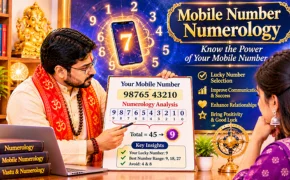
About the Consultation
Mobile Number Numerology is a traditional numerology practice in which the digits of a mobile number are added and interpreted as a single numerical value. The resulting number is explored according to traditional numerological principles.
What You'll Understand
- Numerological total of your mobile number
- Traditional interpretation of the resulting number
- Relationship between mobile number and Birth Number
- Comparison of different number combinations
- Traditional guidance related to mobile number selection
Who it's for: Individuals interested in understanding the numerological significance of their existing or proposed mobile number.
Consultation Process
Share Mobile Number → Calculate Digit Total → Identify Root Number → Compare with Birth Number → Interpret Number Combination → Receive Numerology Guidance.
Details Required
Mobile Number for analysis, Date of Birth and Full Name. Share only the number required for consultation; never share OTPs or account access details.
Vastu Consultation
Bring harmony to your living and working spaces through traditional Vastu Shastra principles, spatial analysis and personalised guidance.
About the Consultation
Home Vastu Consultation involves examining the layout, directions and arrangement of different areas of a residence according to traditional Vastu Shastra principles. The consultation considers the entrance, bedrooms, kitchen, living areas and other important spaces.
What You'll Understand
- Traditional Vastu interpretation of your home layout
- Direction and placement of important rooms
- Entrance and main door considerations
- Kitchen, bedroom and living area arrangements
- Practical Vastu suggestions for your residence
Who it's for: Homeowners, tenants and families planning a new home or seeking Vastu guidance for an existing residence.
Consultation Process
Share Property Details → Submit Floor Plan → Review Directions and Layout → Analyse Room Placements → Identify Vastu Considerations → Receive Personalised Suggestions.
Details Required
Property Floor Plan, Main Entrance Direction, Location, Property Type and photographs or videos of important areas, if available.
About the Consultation
Office and Business Vastu Consultation examines the layout and spatial arrangement of commercial premises according to traditional Vastu Shastra principles. It may include the entrance, reception, workstations, cabins, meeting rooms and other functional areas.
What You'll Understand
- Traditional Vastu analysis of commercial property layout
- Entrance and reception placement considerations
- Office seating and workstation directions
- Owner cabin and meeting room placement
- Practical suggestions for commercial spaces
Who it's for: Business owners, entrepreneurs, shop owners and professionals seeking traditional Vastu guidance for their workplace.
Consultation Process
Share Business Details → Submit Commercial Floor Plan → Review Directions → Analyse Work Areas → Discuss Vastu Considerations → Receive Recommendations.
Details Required
Office or Shop Floor Plan, Main Entrance Direction, Business Type, Property Location and photographs of the premises, if available.
About the Consultation
Plot and Land Vastu Consultation examines the shape, orientation, slope and surrounding features of a plot according to traditional Vastu Shastra principles. It can help individuals review a property before purchasing land or planning construction.
What You'll Understand
- Traditional Vastu interpretation of plot direction
- Plot shape and boundary considerations
- Land slope and level assessment
- Road placement and surrounding features
- General construction planning considerations
Who it's for: Individuals planning to purchase land, construct a house or review an existing plot.
Consultation Process
Share Plot Details → Review Site Layout → Check Directions and Shape → Examine Slope and Surroundings → Discuss Construction Plans → Receive Vastu Guidance.
Details Required
Plot Layout or Survey Plan, Plot Dimensions, North Direction, Location, Road Position and photographs of the land, if available.
About the Consultation
Vastu Remedies Consultation focuses on identifying traditional Vastu considerations in an existing property and discussing suitable corrective suggestions. Recommendations may involve adjustments to placement, arrangement, colours or other commonly followed Vastu practices.
What You'll Understand
- Identification of common Vastu considerations
- Traditional suggestions for room and furniture placement
- Guidance on colours and spatial arrangement
- Possible non-structural corrective suggestions
- Personalised recommendations for your property
Who it's for: Homeowners, tenants and business owners seeking traditional Vastu suggestions for an existing property.
Consultation Process
Share Property Details → Review Floor Plan and Photographs → Identify Vastu Considerations → Discuss Possible Remedies → Receive Personalised Recommendations.
Details Required
Property Floor Plan, Main Entrance Direction, Photographs of Relevant Areas, Property Type and specific concerns you would like to discuss.
Puja + Samagri Packages · All-in-One
Book your puja with the required samagri and traditional arrangements together. Choose a package for a convenient and organised worship experience.
About the Package
This all-in-one package combines Satyanarayan Puja arrangements with the required puja samagri. It is suitable for families planning the traditional worship at home on a Purnima, special occasion or auspicious day.
What's Included
- Experienced priest for conducting the puja
- Essential Satyanarayan Puja samagri
- Traditional puja setup guidance
- Mantra recitation and katha as per the selected ritual
- Aarti and completion of the puja ceremony
Who it's for: Families organising Satyanarayan Puja at home, during housewarming, Purnima or other auspicious occasions.
Puja Process
Booking Confirmation → Muhurat Discussion → Samagri Arrangement → Sankalp → Satyanarayan Puja and Katha → Aarti and Prasad Ritual.
Samagri & Requirements
The package includes essential samagri as per the selected puja arrangement. Confirm the final samagri list, prasad requirements, venue and any additional items with the team before booking.
About the Package
The Griha Pravesh All-in-One Package brings together the priest, essential samagri and traditional arrangements for a housewarming ceremony. The rituals are conducted according to the selected Griha Pravesh vidhi and family traditions.
What's Included
- Priest for conducting Griha Pravesh rituals
- Essential puja samagri
- Kalash and traditional ritual arrangements
- Ganesh Puja and Vastu-related rituals as per the selected vidhi
- Mantra chanting and aarti
Who it's for: Families entering a newly constructed or purchased home and planning a traditional housewarming ceremony.
Puja Process
Booking Confirmation → Muhurat Selection → Venue Details → Samagri Arrangement → Ganesh Puja and Sankalp → Griha Pravesh Rituals → Aarti and Completion.
Samagri & Requirements
Essential Griha Pravesh samagri is arranged according to the selected ritual. Share the house location, floor plan if relevant, preferred date and family requirements to confirm the final list.
About the Package
This package combines traditional Ganesh Puja arrangements with essential samagri for worshipping Lord Ganesha. It can be arranged for home ceremonies, new beginnings, special occasions and family celebrations.
What's Included
- Priest for conducting Ganesh Puja
- Essential Ganesh Puja samagri
- Traditional offerings and ritual arrangements
- Ganesh mantra chanting and worship
- Aarti and puja completion
Who it's for: Individuals and families seeking Ganesh Puja for auspicious beginnings, home ceremonies and special occasions.
Puja Process
Booking Confirmation → Date and Muhurat Discussion → Samagri Arrangement → Sankalp → Ganesh Puja and Mantra Chanting → Aarti.
Samagri & Requirements
Essential Ganesh Puja materials and offerings are arranged according to the selected ritual. Confirm the idol requirement, prasad and any special family traditions before booking.
About the Package
Navgraha Shanti Puja is a traditional Vedic ritual dedicated to the nine celestial influences. This all-in-one package brings together the priest and essential samagri required for the selected Navgraha worship procedure.
What's Included
- Priest for conducting Navgraha Shanti Puja
- Essential Navgraha Puja samagri
- Traditional offerings for the nine grahas
- Mantra chanting and sankalp
- Havan and aarti if included in the selected ritual
Who it's for: Individuals and families seeking traditional Navgraha worship and guidance for graha shanti rituals.
Puja Process
Booking Confirmation → Birth Details if Required → Muhurat Discussion → Samagri Arrangement → Sankalp → Navgraha Mantra and Rituals → Havan if Selected → Aarti.
Samagri & Requirements
Essential Navgraha samagri is arranged according to the selected puja vidhi. Confirm the havan requirement, venue, date and any additional offerings with the team.
About the Package
Rudrabhishek is a traditional form of Lord Shiva worship involving Abhishek and the chanting of Vedic mantras. This package combines the priest's services with essential samagri for the selected Rudrabhishek procedure.
What's Included
- Priest for conducting Rudrabhishek
- Essential Abhishek and puja samagri
- Traditional Shiva offerings
- Rudra mantra chanting as per the selected vidhi
- Aarti and completion of the ritual
Who it's for: Devotees and families wishing to perform traditional Shiva Abhishek at home or at a selected venue.
Puja Process
Booking Confirmation → Muhurat Discussion → Samagri Arrangement → Sankalp → Shiva Abhishek → Rudra Mantra Chanting → Aarti.
Samagri & Requirements
Essential Abhishek materials and Shiva Puja samagri are arranged according to the selected vidhi. Confirm the required offerings, venue and any additional arrangements before booking.